Why Regular Maintenance Helps You Avoid Costly Heating Problems
Picture this: it’s the coldest morning of the year, you reach for the thermostat, and nothing happens. Dead silence. Then comes the bill, and it feels like a gut punch. Here’s the thing, though. That scenario is almost entirely avoidable.
A scheduled heating system inspection, a proper furnace tune‑up, and a disciplined heating maintenance checklist work in concert to reduce your HVAC maintenance cost significantly and keep emergency furnace repair calls completely off your calendar. These principles apply whether you’re running a gas furnace, electric furnace, boiler, or heat pump.
And if you still need convincing, according to the NFPA, U.S. fire departments responded to an estimated annual average of 44,210 home structure fires caused by heating equipment between 2016 and 2020. That statistic alone should put maintenance at the top of your priority list.
Heating System Inspection Essentials That Actually Prevent Breakdowns
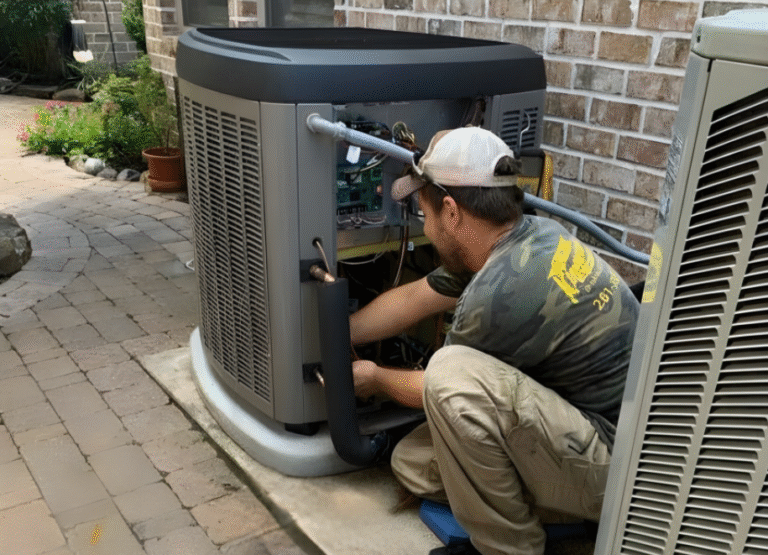
A professional heating system inspection does something elegantly simple: it catches small problems before they quietly snowball into expensive ones. Scheduling two visits per year, once in early fall and again in late winter, keeps your equipment protected through peak demand and the recovery stretch that follows. Many homeowners who end up calling for heater repair could have sidestepped the situation entirely with a single fall inspection. Don’t be that homeowner.
What a Thorough Furnace Tune‑Up Should Actually Cover
A qualified furnace tune‑up isn’t a technician glancing at your unit for twelve minutes and handing you an invoice. A genuinely thorough visit covers:
– Safety checks heat exchanger integrity, CO levels, venting condition, and combustion analysis
– Efficiency checks burner flame quality, temperature rise, and static pressure readings
– Reliability checks ignition system, flame sensors, limit switches, capacitors
– Cleanings of burners, blower wheel, condensate trap, flame sensor
A cracked heat exchanger, for instance, can cost thousands to replace. But caught early during routine service? It’s manageable. A clogged blower wheel causes overheating, short cycling, and a quietly rising HVAC maintenance cost that most people don’t connect back to skipped maintenance.
What You Can Do Between Professional Visits
You don’t have to wait for a technician to stay ahead of problems. Between service visits, do a quick visual scan around the furnace, look for rust streaks, soot deposits, or pooling water. Listen carefully during startup; grinding, rattling, or a booming ignition sound isn’t normal. Check your filter. Make sure outdoor intake pipes aren’t blocked by leaves or ice. Keep a simple log with dates and observations. When something feels off, write it down. That note might save you money later.
The Tune‑Up Steps That Cut Your Repair Costs Most Directly
A thorough furnace tune‑up turns unpredictable, expensive failures into minor, manageable adjustments. Three areas consistently make the most difference: airflow, combustion, and electrical components.
Airflow Optimization Protecting the Core of Your System
Restricted airflow is one of the most damaging and most overlooked problems in residential heating. When air can’t circulate properly, heat builds inside the unit, stresses the heat exchanger, and triggers automatic shutdowns. Solutions include duct inspection, proper filter sizing, verifying MERV ratings for your system type, and blower speed adjustments. Poor airflow quietly inflates your HVAC maintenance cost month after month and is frequently the hidden culprit behind emergency furnace repair calls during cold snaps.
Combustion and Ignition Checks That Prevent No‑Heat Emergencies
Hot surface igniters, flame sensors, and gas valves are statistically the components most likely to leave you without heat at the worst possible moment. Cleaning and calibrating these during a tune-up prevents nuisance shutdowns before they happen. Consider the difference: a dirty flame sensor caught and cleaned during a scheduled visit versus the same sensor failing at midnight on a January weekend. One is a line item on a maintenance invoice. The other is a full-blown emergency.
Electrical Component Testing That Catches Problems Early
Capacitors, contactors, control boards, and wiring connections rarely announce their failure with obvious warning signs. They degrade quietly. And when they go, they tend to take other components with them. Catching voltage irregularities and loose connections during a scheduled visit is almost always far cheaper than dealing with a failed blower motor or a burned-out control board mid-winter with no backup plan.
Real‑World HVAC Maintenance Cost vs. Emergency Furnace Repair Bills
The numbers make the case clearly. A scheduled inspection and tune-up typically costs a fraction of what you’d pay for an after-hours emergency furnace repair. A routine igniter replacement during a scheduled visit might run $75–$150. That same part failing on a Friday evening in January? Add emergency dispatch fees, overtime labor rates, and expedited parts charges to the total. Research shows that properties with structured preventive maintenance programs see 40% fewer emergency repairs. That’s not a marginal improvement; it’s a meaningful shift in how frequently crises occur at all.
Smart Budget Planning for Year‑Round Comfort
Think about your annual HVAC maintenance cost as a straightforward trade-off: two tune-ups and a handful of filter replacements versus the cumulative cost of multiple heater repair calls spread across several winters without any maintenance structure in place.
Those unplanned repair costs add up faster than most people expect. Maintenance agreements add further value through priority scheduling during peak demand, discounted parts and labor rates, and waived after-hours fees. A documented service history also protects your equipment warranty and becomes a legitimate selling point when you decide to move.
The Warranty Requirement Most Homeowners Miss
Many furnace and boiler manufacturers require documented annual maintenance to keep parts warranties valid. Skip one year, just one, and you may void coverage on components that cost hundreds to replace out of pocket. Keep digital records of every invoice, technician checklist, and service photo. Treat your regular furnace tune‑ups as warranty insurance, because functionally, that’s exactly what they are.
A Practical Heating Maintenance Checklist, Season by Season
A structured heating maintenance checklist takes the guesswork out of staying on schedule. It removes the “I think we did that last year” uncertainty and replaces it with a clear, repeatable rhythm.
Early‑Fall Checklist Before You Turn the Heat On
Run a test cycle before the first cold night, so you’re not troubleshooting under pressure with guests arriving. Replace or upgrade the air filter, clear any obstructions around return grilles and supply vents, and verify your thermostat’s heating schedule is active and accurate. Clear at least two feet of space around your furnace or boiler for proper ventilation. Most importantly, book your professional heating system inspection and furnace tune‑up before the first hard freeze, not after.
Mid‑Winter Checks for Peak-Season Reliability
Check filters monthly, particularly in households with pets or higher occupancy. Inspect outdoor intake and exhaust pipes for ice or snow blockage after every significant storm. Watch your energy bills for a sudden spike in runtime or monthly cost, which often signals something is developing inside the system. Don’t wait for spring to address it. A small issue investigated in January is almost always cheaper to resolve than a full breakdown in February.
End‑of‑Season Wrap‑Up for Longer Equipment Life
Do a final filter swap to begin the cooling season with clean airflow in place. Inspect your condensate drain line if you’re running a high-efficiency unit. Document any unusual behaviors from the winter to share at your next scheduled maintenance visit. This is also the right moment to evaluate upgrades you considered mid-season, such as a smart thermostat, a whole-home humidifier, or improved zoning to eliminate those stubborn cold spots.
See also: Brooks Builders: Revolutionizing Home Renovation in Australia
Quick Answers to Common Heating Maintenance Questions
How often should older furnaces receive a heating system inspection?
Twice per year, early fall and late winter. Aging components like heat exchangers, igniters, and capacitors require more frequent evaluation to catch deterioration before it causes failure.
What’s included in a standard furnace tune‑up versus what costs extra?
Standard visits cover safety checks, combustion analysis, cleanings, and electrical testing. Replacement parts, refrigerant charges, and major component repairs are typically quoted separately and are not bundled into a flat tune-up fee.
Are maintenance plans actually cheaper than calling for emergency furnace repair?
Almost always, yes. A maintenance plan replaces unpredictable repair bills with a fixed annual cost, priority scheduling, and discounted parts, giving you both financial predictability and peace of mind when temperatures drop suddenly.
Final Thoughts
Consistent maintenance isn’t an added expense. It’s a deliberate choice to stay in control of your home’s comfort, safety, and budget. A scheduled heating system inspection, a professional furnace tune‑up, and a realistic heating maintenance checklist work together to lower your HVAC maintenance cost and keep emergency furnace repair firmly off your radar.
Don’t wait for something to stop working before you take action. Book your fall inspection before the first freeze, start your seasonal checklist today, and let documented, consistent care handle the heavy lifting for years to come. Your future self standing warm in your house on the coldest morning of winter will absolutely thank you.