
Choosing the Right Electrical Panel for Your Home
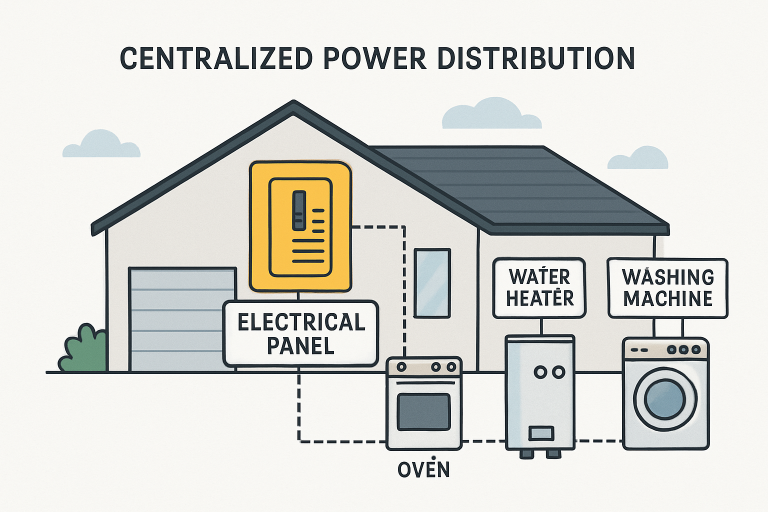
Your home’s electrical panel is the heart of your electrical system, channeling power to circuits throughout every room and space. Picking the right panel is crucial—not only for meeting your current energy demands, but also for ensuring your system’s safety, efficiency, and adaptability as your needs evolve. Whether you’re building a new house, renovating, or planning to upgrade an outdated panel, the guidance of a trusted electrical equipment supplier company can be invaluable during your decision-making process.
With many panel options available—each offering unique benefits and features—making the right choice means reviewing your home’s specific requirements, understanding types of panels, and considering capacity, safety, and compliance. Thanks to smart home devices, electric vehicles, and high-demand appliances, modern households use more power than ever. Taking the right approach up front helps you avoid headaches and hazards.
Understanding Electrical Panel Types
Electrical panels come in several forms, each serving different functions and scenarios:
- Main Breaker Panels: These are the primary service panels, featuring a master breaker that can cut all power in emergencies or for maintenance.
- Main Lug Panels: Usually used as subpanels, these rely on a main breaker upstream and are ideal for specific zones or outbuildings.
- Subpanels: Extend your system’s reach, distributing power to garages, workshops, or additions, thereby managing specific loads efficiently.
- Transfer Switch Panels: Key for homes with standby or portable generators, allowing seamless switching between utility and generator-supplied electricity.
Assessing Your Home’s Electrical Needs
Determining your electrical load starts with a total wattage estimation for all essential circuits and devices. Most newer homes require a minimum 200-amp panel, especially if planning for future additions such as electric vehicle chargers or major appliances. For precise calculations and to ensure compliance with local codes, it’s wise to consult with a licensed electrician who can review your blueprints or existing setup.
Key Features to Consider
- Amperage Capacity: Select a panel that can easily support your current electrical consumption and anticipated growth in the years ahead.
- Number of Circuits: Choose a panel with enough circuit slots, leaving headroom for future needs.
- Safety Innovations: Modern panels equipped with Arc Fault Circuit Interrupters (AFCIs) and Ground Fault Circuit Interrupters (GFCIs) drastically reduce the risk of electrical fires and shocks.
- Energy Monitoring: Some smart panels help track individual circuit energy use, optimizing savings and sustainability. Learn about the latest trends and products through reliable resources such as Energy.gov.
Safety and Compliance
Your electrical panel must meet all applicable safety regulations, including compliance with the National Electrical Code (NEC). Look for panels certified by independent organizations such as Underwriters Laboratories (UL). A licensed electrician should perform all installations and upgrades, ensuring the system is safe from electrical faults that could lead to hazardous conditions. Regular professional inspections will help identify wear, corrosion, or emerging risks before they threaten your home.
Signs It’s Time for an Upgrade
- Frequent tripping of circuit breakers or blown fuses.
- Lights flickering, dimming, or pulsing inconsistently.
- Noticeable burning odors or buzzing sounds coming from the panel.
- Heavy reliance on extension cords due to a lack of available outlets.
- Addition of high-wattage appliances or significant home improvements.
If you notice these issues, schedule an assessment immediately to prevent serious electrical safety hazards.
Choosing a Qualified Electrician
Electric panel installation demands expertise. Focus on hiring an electrician who is licensed and insured in your jurisdiction. Prioritize contractors with robust experience in panel installations and positive client references. While cost is important, the quality and safety of your installation must come first, as poor electrical work can significantly increase the risk of fire hazards. Get detailed quotes, check for warranties, and don’t hesitate to ask questions about their process—working with safety-focused providers such as The Fast Fire Watch Company San Francisco can offer added peace of mind when fire prevention and compliance are critical.
Final Thoughts
The right electrical panel is foundational for your home’s safety, efficiency, and adaptability. A careful, informed approach—considering your power needs, feature preferences, compliance requirements, and working with qualified professionals—ensures you select a panel that reliably powers your life for years to come.