Monitors Unveiled: Exploring the Cutting-Edge of Display Technology
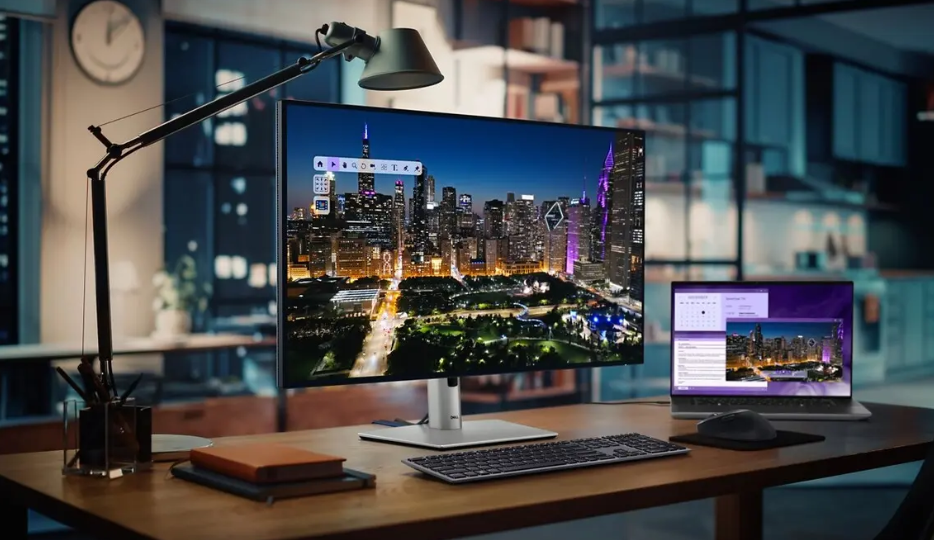
The landscape of display technology is perpetually in a state of evolution, with groundbreaking advancements regularly emerging that continue to redefine our visual experiences. From immersive gaming experiences to pinpoint-sharp professional displays, the range of capabilities and features found in modern monitors is truly astonishing. So let us delve into this dynamic realm and unveil the cutting-edge of display technology.
The Essence of Display Resolution
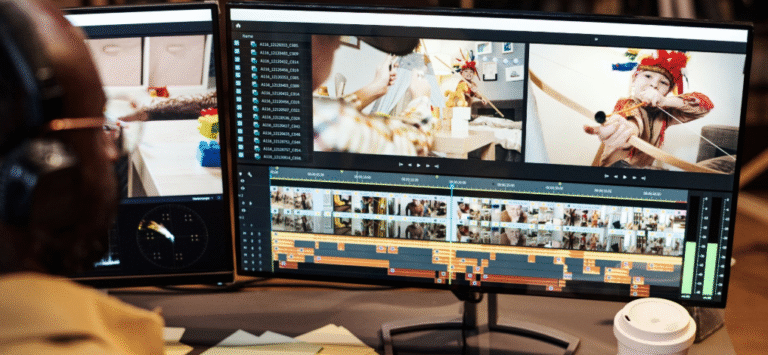
One of the most crucial aspects of any monitor is its resolution. Display resolution dictates the clarity and detail a monitor can produce. As technology has advanced, we’ve moved from the 1080p (Full HD) standard to 4K and even 8K resolutions, providing mesmerising detail and lifelike images that were once only a dream. Professionals, in particular, benefit from higher resolutions in tasks such as video editing, graphic design, and medical imaging, where the clarity of the displayed content is imperative.
Innovations in Refresh Rates
Another significant factor in the appraisal of monitors is the refresh rate. This speaks to how many times the monitor updates with new information per second and is measured in hertz (Hz). Higher refresh rates result in smoother motion on the screen, which is essential for gamers who need split-second reaction times and for video professionals who aim for the smoothest playback possible. Emerging monitors now boast refresh rates that can exceed 144 Hz, pushing towards 240 Hz and even higher, for the smoothest visual experience yet.
The Advent of HDR
High Dynamic Range (HDR) has been a buzzword in the realm of display technology, offering a more vibrant, contrast-rich viewing experience. HDR-enabled monitors can display a broader spectrum of colours and more detailed shadows and highlights. This technology has revolutionised the way we experience both multimedia content and games, by bringing scenes to life with more depth and realism than ever before.
Panel Technology Matters
IPS, TN, and OLED are terms often thrown around when discussing monitor technology. In-plane Switching (IPS) panels are renowned for their colour accuracy and wide viewing angles, making them a prize for professional photographers and designers. Twisted Nematic (TN) panels tend to offer faster response times and are more cost-effective, while Organic Light-Emitting Diode (OLED) technology provides astonishing contrast levels and true blacks, as each pixel emits its own light. Choosing the right panel technology can be critical depending on the primary use of the monitor.
The Edge of Curves and Ultrawide Formats
Curved monitors have surmounted a niche status, providing an immersive experience that allows for a more natural field of view. Similarly, ultrawide monitors have been adopted for their expansive horizontal workspace, facilitating better multitasking and a more engaging gaming experience. As we move towards a more expansive field of view, both curved and ultrawide monitors stand at the forefront of ergonomic and immersive design.
Connectivity and Versatility
Today’s monitors are not just static displays; they act as hubs for our digital activities. With a variety of ports like HDMI, DisplayPort, USB-C, and Thunderbolt, contemporary monitors offer outstanding connectivity that transcends basic display functionality, allowing for daisy-chaining of displays, direct charging of devices, and streamlined data transfer.
Touchscreens and Interactivity
As the lines between different devices blur, touchscreen monitors are becoming more commonplace in both consumer and professional environments. Whether for educational purposes, creative workflows, or everyday productivity, the ability to interact directly with the screen is invaluable for many users.
See also: Market Trends and Stratglobal Egic Busines Forecastings for 9104442796
Future Trends in Monitor Technology
The future holds even more intriguing prospects for display technology. We are observing trends towards integrated AI for image enhancement, augmented reality (AR) capabilities for a blend of real-world and digital content, and even flexible displays that could redefine the physical form factor of monitors. Sustainability is also a growing concern in the manufacturing and disposal of monitors, with a rising demand for eco-friendly materials and energy-efficient designs.
Choosing the Right Monitor
With so many options available, it can be daunting to choose the right monitor. Key aspects such as the intended use, workspace, and personal preferences in display characteristics should guide the decision. It is vital for consumers to consider the specifications that align best with their requirements, whether for gaming, professional work, or general media consumption.
Conclusion
In summary, the current state of monitor technology provides a plethora of options tailored to different needs and preferences. From the stunning resolution, rapid refresh rates, and HDR to the specific panel technologies, curved and ultrawide formats, the industry continues to push the envelope in creating more sophisticated, functional, and immersive monitors. Consumers now have access to a wealth of choices to enhance their visual experience, be it for work or play. The only certainty is that display technology will continue to innovate, making the act of selecting the optimal monitors both an exciting and critical task in one’s technological journey.
Discover Your Ideal Monitor
Whether you’re a gamer seeking fluid motion and vibrant graphics, a professional requiring accuracy and clarity, or an everyday user in search of a reliable display, the landscape of monitors today can accommodate your needs. It is a testament to human ingenuity and the relentless pursuit of technological advancement. As we uncover the new veneer of display technologies day by day, the future of monitors appears brighter (and clearer) than ever before.